

By Luis Miranda
It may seem like a self-evident, redundant title. The truth is, it highlights something that, because it's so obvious, we sometimes forget: young people are the driving force behind fashion, agents of change, early adopters who aren't afraid to push the boundaries of trends with their casual and authentic personal styles. Young people inspire and shape fashion, and in Chile, they have increasingly more tools, vision, and opportunities.
The end of 2022 was a time of condensing a year's worth of work into final presentations for two fashion schools we've already mentioned: the Fashion and Management program at the Faculty of Design of the Universidad de Desarrollo, and the closing of the academic year for the fashion and advertising photography school Fotodesign. Both educational institutions are remarkable and are training generations of fashion designers and photographers who will succeed current generations.
D 2022 Catwalk.
Several years ago, I was invited by the Universidad del Desarrollo's Faculty of Design to be a judge on an initiative they had conceived in conjunction with a well-known and popular Belgian handbag brand. The idea was for aspiring graphic designers to modify some of the brand's models and create accessories that fit its aesthetic language. On that occasion, I was amazed by the results; the graphic design students, an eminently 2D discipline, had managed to decode the aesthetics of the brand, which was one of the assignments, while also developing technically impeccable work. I regretted that the school didn't have a fashion design division that could contribute to the development of such high-quality professionals in the local industry.
Fortunately, the fashion specialization is already a reality, and although its first generation has yet to graduate, it's already clear that UDD fashion designers will be the ones making waves in a couple of years, those who will refresh the Chilean fashion scene, and why not...the local designers whose aesthetics will transcend our borders.
Pasarela D is the name of their annual fashion show, which showcases the work of students from various courses, a culmination of a year's work, exposing them to the dynamics they will face after leaving their alma mater.
One of the first notable aspects of the event was that the future designers worked under common themes, but fitted their own particular aesthetics into them, while also responding to a global, team-based aesthetic. While other schools and organizations opt for competition, the UDD preferred to have them work under the premise that young people understand fashion today: an eminently collaborative phenomenon, where the old quarrels about showing off more than the rest are now a thing of the past.
The common thread running through the entire runway, which featured all the designs from students taking workshops at the University of Buenos Aires (UDD), was the theme "Urban Dress." Under this premise, various subthemes were presented, resulting in clothing with a measured experimental approach. The students' work took the term "university project" to the next level. The support of the academics in charge of this new generation of costume designers is palpable. Renowned designers such as Gabriela Olivares and Gabriel Zamora, and new names from the academy such as Luis Pino, were in charge of guiding the students' work, who experimented with silhouettes, textile sublimation, and designs that were equally intricate and interesting.
The most commercial proposals came from two retail brands, with whom the students worked to create commissioned collections. A remarkable collaboration, considering that local designers have always blamed retail for having a small fashion industry. New generations must understand that learning and support for improvement opportunities are key to retail, taking advantage of synergies, and creating lasting connections; the UDD's fashion and management program understands this.
The students of this Faculty rest in good hands; their professors and mentors strive to instill in them a comprehensive and multidisciplinary education. I'm left with the welcoming remarks given by Natalia Yañez, Director of the program, which I think perfectly sums up the spirit of this school: "...it allows us to say with conviction that innovation is possible, that the transformation of a highly polluting and irresponsible industry into a sustainable industry that serves the needs of our contemporary society is possible."
Fotodesign Exhibition.
Several years ago, I was invited to become the Director of this photography school, which was founded in Argentina and now has locations in Colombia, Spain, and Chile. I was 28 or 29 years old and had been a Fashion Theory professor for a couple of years. The school's partners invited me to take over as its director. It was a huge and tiring challenge for someone already in charge of a startup, but at that age, you want to take on the world, so I gladly and enthusiastically accepted. It was a clean slate in many areas: the school had moved to its current location in Barrio Italia, and administratively, there was a lot of organizing needed. My goal was a single, very ambitious one: to produce the best fashion photographers in Chile from Fotodesign.
I reformed the curriculum, established real connections between the school and local fashion photography, created a scholarship system for talent, a summer school, and replaced the faculty, keeping in mind that they should be teachers with strong ties to the fashion photography industry. Today I can proudly say, and thanks to the work of those who came after me and all of us who worked tirelessly to build this beautiful school, that the goal of training the best fashion photographers in Chile at Fotodesign has been more than achieved. Fotodesign trains photographers whose aesthetics are renewing the local scene.
Every year, this school exhibits the final exams and best works of the students who train in its classrooms. This year was no exception. While it's true that almost all the final projects had remarkable aesthetics, it's inevitable to choose favorites among the favorites. Beyond the graduation ceremony, the dance, and the great music that took place at Santa Isabel 0664, I did a little research on the students whose work caught my attention the most, and I dare say that, through work and deepening their aesthetic language, they will be fashion photographers who will be talked about in a couple of years.
Camila Sandoval ( @___kamili )
There's something quiet about Camila Sandoval's aesthetic that makes a lot of noise. It's as if her photographs, seemingly silent and still, were about to implode. Camila's approach to fashion is through the mundane image, the everyday scene, packed with information that makes it tremendously attractive and enigmatic.
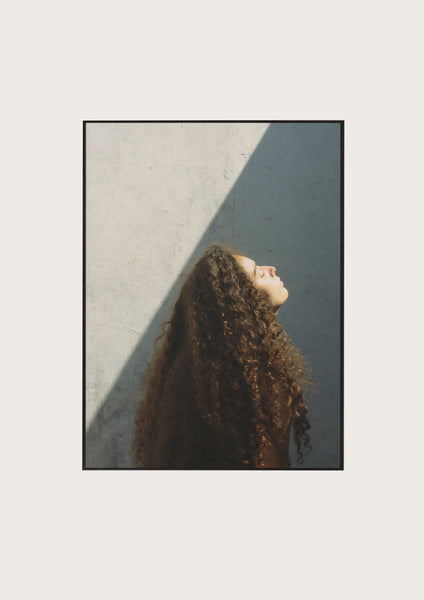
Kiara Ferrer ( @kiara.ferrer )
Kiara also appeals to simplicity. It's as if this generation, bombarded by images and contaminated by intricate aesthetic codes, wants to return to the basics; to seek beauty in simple images and compositions. Kiara displays beauty without fuss, giving us paintings that are simultaneously simple and complex.
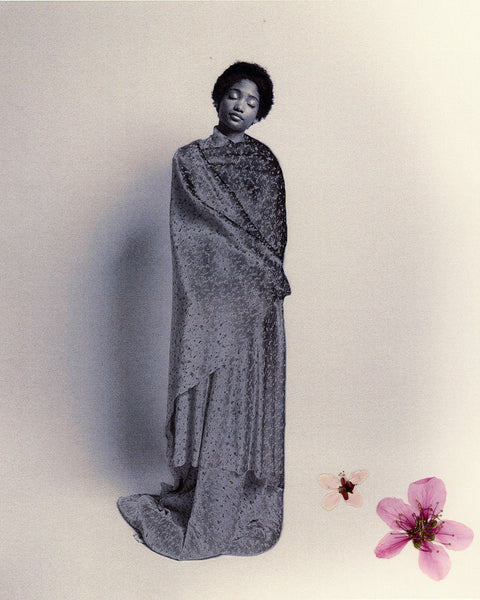
Andrés Sandoval ( @andresssandovv )
Andrés's portfolio has elements more typical of fashion photography, but his vision reveals a desire to achieve a certain intimacy with the viewer of his work. The models gain prominence under Andrés's lens, as if the clothing takes a complementary backseat, where the human figure and the person take center stage in his compositions.

Long live the youth, long live the new visions. Long live the schools that create agents of change, and long live local talent.